AI commodifies human creativity. Is it theft?
The Boston Globe, August 10, 2026
The unique power of creativity is at the core of human identity. We must defend it.
Regie Gibson now serves as the inaugural poet laureate of Massachusetts, but I first learned about him nearly 30 years ago when his title was US National Poetry Slam champion and he participated in a panel discussion called "The Music Connection from Homer to Hip-Hop." Gibson characterized hip-hop moguls with a provocative statement that I’ll borrow in characterizing today's AI masterminds.
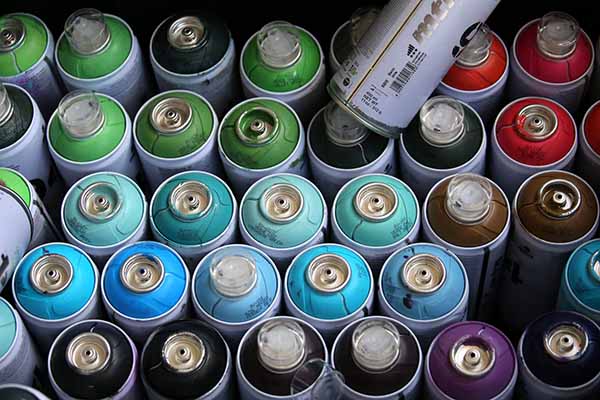
During the panel, Gibson traced the development of hip-hop through its three initial phases: the graffiti spray-painted by adolescent trespassers into the train yards of the New York City subway system; the breakdancers encircled by pick-up crowds on city sidewalks; and the home party music where rappers rhymed their own stories and DJs mixed sound. He said the shift occurred when the hip-hop stars became entrepreneurs who "commodified" those noncommercial art forms by turning rhymes into recordings and clothing styles into merchandise. Referring to the open gunplay and misogynist violence they modeled, Gibson declared, "I don't believe in making millionaires out of sociopaths who can rhyme."
I recall his words because I think they have a contemporary application regarding the AI tycoons who systematically commodify the creativity of the arts and sciences without restraint or regard for the consequences. Because, similarly, I don't believe in making billionaires out of sociopaths who can code.
Read the full article at The Boston Globe.